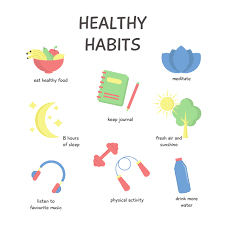
Daily habits play a significant role in how people experience and manage stress. Small, consistent actions can have a lasting impact on overall well-being. By focusing on simple lifestyle adjustments, it is possible to create a more stable and balanced daily routine.
One of the most important habits is maintaining a regular sleep schedule. Going to bed and waking up at consistent times helps support the body’s natural rhythms. Quality sleep allows the mind and body to recover from daily activities, making it easier to handle stress the next day.
Physical activity is another key factor. Regular movement—such as walking, stretching, or light exercise—can help release built-up tension and improve mood. It does not require intense workouts; even moderate activity done consistently can be beneficial.
Nutrition also plays an important role in overall well-being. Eating balanced meals that include a variety of foods can help maintain steady energy levels throughout the day. Skipping meals or relying heavily on processed foods may lead to fluctuations in energy and focus, which can contribute to feelings of stress.
Staying hydrated is often overlooked but equally important. Drinking enough water throughout the day supports normal bodily functions and can help maintain concentration and alertness.
Limiting exposure to constant digital input can also make a difference. Taking breaks from screens and social media allows the mind to rest and reduces the feeling of being overwhelmed by information. Setting boundaries around device usage—especially before bedtime—can improve both relaxation and sleep quality.
Another helpful habit is spending time outdoors. Fresh air and natural surroundings can provide a change of perspective and help reduce mental fatigue. Even a short walk outside can offer a refreshing break from daily routines.
Building healthy habits takes time and consistency. It is often more effective to start with small, manageable changes rather than trying to overhaul an entire routine at once. Gradual improvements are more likely to become long-term habits.
By focusing on these everyday practices, individuals can create a supportive environment for managing stress in a natural and sustainable way.
